
If you are reading this, you are weighing up a big decision. Rehab is hard enough to think about at home. Doing it in another country raises fair questions: what are the qualifications of the clinical staff, what happens in a medical emergency, and will it actually work once you fly home?
The honest answer is that rehab in Bali can be very safe, but only when the centre is properly staffed, medically supervised and builds a real aftercare plan. Quality varies widely across the island, so the centre you choose matters far more than the destination itself.
This guide explains what makes a Bali rehab safe, the risks to watch for, and the questions to ask before you book. We work with clients from many countries, and we would rather you choose a centre that is genuinely safe than one chosen in a hurry.
The short answer: yes, if the centre meets these standards
A safe rehab in Bali, like anywhere, should meet five basics:
- A doctor involved in detox and ongoing medical care
- Qualified, professional clinicians using evidence-based methods
- Support staff on-site around the clock
- A clear emergency plan with a nearby hospital
- A structured aftercare plan for when you return home
If a centre cannot explain how it meets all five, keep looking. These are the foundations of safe treatment, not extras.
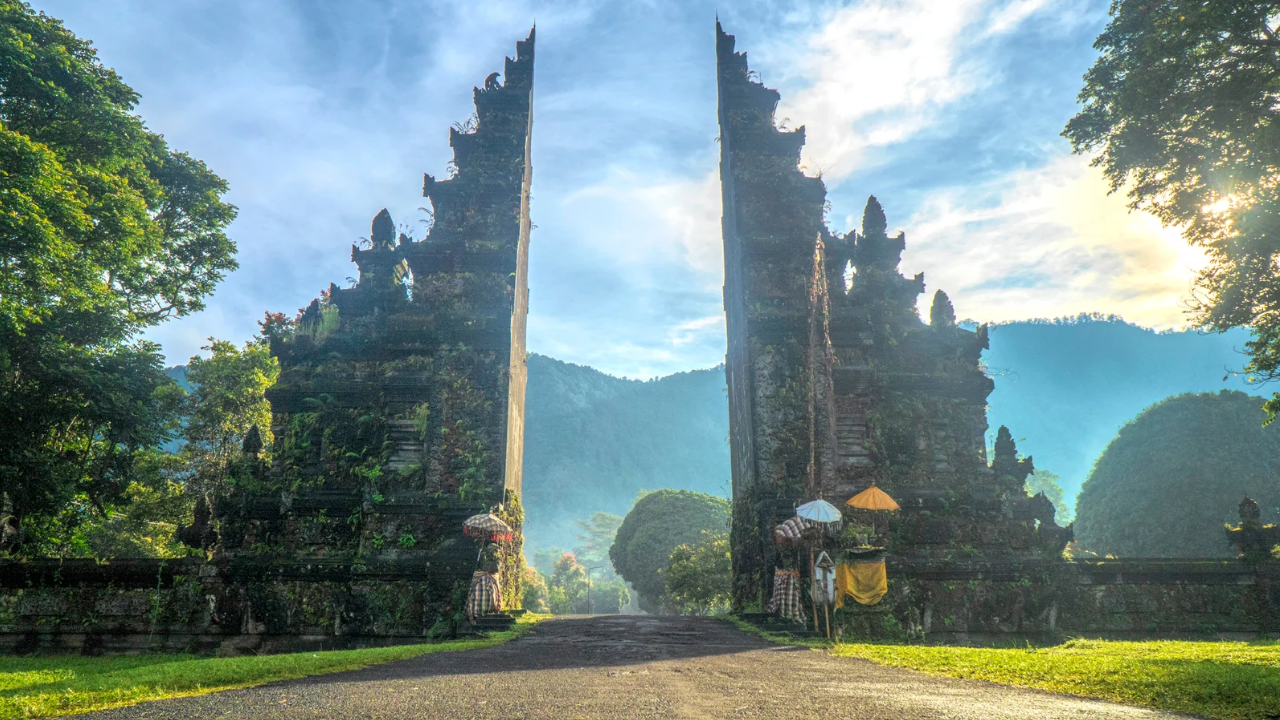
Why people choose Bali for rehab
Distance from triggers. Recovery often starts with space. Leaving behind the places, routines and people tied to your drinking or drug use removes many everyday triggers, and being away from work and social pressure lets you focus fully on treatment.
Cost compared with home. Private residential treatment in Australia, the UK and the US can be very expensive, and public waiting lists are often long. Many Bali centres offer comparable or longer programmes at a lower cost, frequently with private rooms. You can see how much rehab in Bali costs for a fuller comparison. If you are weighing up different kinds of private treatment, our guide to what private rehab costs and what to expect explains the options.
Environment and time. Bali’s climate and slower pace give real room to rest and reflect, and residential programmes here commonly run from 28 to 90 days. A long, uninterrupted stretch gives you time to stabilise, work through the causes of your addiction, and practise new habits before returning to everyday pressures. For many people, a clean break of several weeks is easier to commit to abroad than at home.
The real safety risks to understand
Bali has excellent treatment options. It also has operators that look polished online but cut corners where it matters. These are the risks worth understanding before you book.
Detox without medical oversight. Withdrawal from alcohol, benzodiazepines and some other substances can cause seizures and can be life-threatening. Safe detox needs a doctor to assess you, a set a medication plan and a stay that is prepared to adjust it. A yoga teacher or wellness coach is not a substitute. You can read how we handle medically supervised detox, and if you are looking elsewhere, ask the centre directly whether a medical professional manages the detox process.
Unregulated operators. Some places marketed as rehab are villas or wellness retreats with no medical or trained clinical team involvement at all. Ask who provides the medical and clinical care and what their qualifications are.
Indonesia’s drug laws. Indonesia has some of the strictest narcotics laws in the world, with severe penalties for possession. Never bring illegal substances into the country. Carry any prescription medication in its original packaging with a doctor’s letter, and check the rules before you travel.
No aftercare. The weeks after treatment are when relapse risk is highest. A centre with no aftercare leaves you exposed once you are home. A good one sends you home with a clear plan and keeps supporting you.
Language barriers. Therapy depends on being understood. Check that your medical, clinical and support staff speak fluent English, or your first language, and have experience with international clients.
Medical emergencies. Ask what happens if you become unwell in the middle of the night. A safe centre has a written emergency plan, support staff on hand, and an arrangement with a nearby hospital. Check too whether your travel or health insurance covers treatment abroad, including medical evacuation.
A safety checklist to use on every call
A safe provider will answer each of these clearly:
- Medical oversight. Is a thorough medical assessment done prior to my arrival? Is a doctor involved in the detox process, and is support staff available around the clock?
- Detox. How is withdrawal assessed, medicated and monitored?
- Clinicians. Who are the therapists, and what are their qualifications?
- Hospital access. Which hospital do they use, and how far away is it?
- Evidence-based therapy. Do they use approaches such as CBT, EMDR, schema therapy and trauma-informed care?
- Individual attention. How much one-to-one time will you have, and how many other clients are treated at once?
- Dual diagnosis. Are mental health conditions assessed and treated alongside the addiction?
- Aftercare. What support continues once you are home, and for how long?
- Transparent pricing. Is there a written, itemised breakdown and a clear contract?
How to check what you are told. Do not rely on the website alone. Speak to the team by phone, ask for references of prior clients, and read independent reviews. A centre with nothing to hide makes itself easy to reach and easy to question.
Red flags to walk away from
- No doctor involved in detox
- Promises of a “cure” or guaranteed results
- No assessment before admission
- Cash-only payment or no written agreement
- Pressure to book the same day
- No aftercare or discharge plan
Safe versus unsafe: at a glance
Safe centre | Unsafe centre | |
Detox | Doctor-led, support staff on hand | Unsupervised or “natural” only |
Clinicians | Named, credentialed | Unnamed or unqualified |
Emergencies | Hospital partner and transport plan | No clear plan |
Treatment | Evidence-based plus holistic | Holistic only |
Aftercare | Structured plan for home | Ends at discharge |
Pricing | Written, itemised | Unclear or pressured |
If a centre falls into the right-hand column on even one of these, treat it as a warning and ask more questions.
How The Lighthouse keeps clients safe
We built The Lighthouse around the same checklist above, because we believe families deserve proof, not promises.
Medical oversight. Every client is assessed by our medical director before admission and again with a physician on arrival. A doctor sets your detox and medication plan and stays available to adjust it, with a nurse on call throughout. A trained support worker is with you around the clock for the whole programme, not just during detox.
Our clinical team. Our programme is overseen by our medical director and delivered by the clinicians you can see on our team page, each named with their credentials and background. We think you should be able to see who will be treating you before you arrive, which is exactly what we ask you to expect of any centre.
Full attention for one client. We treat a maximum of three clients at any one time, and no two clients ever share a villa, a therapist or a session. Each person has their own clinical team and a treatment plan built around them, combining evidence-based therapy with holistic care. You can read more about our one-to-one programme.
Emergencies. We work with a nearby hospital and have a transport plan in place from day one. If you would like us to explain exactly how it works before you arrive, we are happy to.
Six months of aftercare. Treatment does not end at the airport. Every client leaves with a written relapse-prevention plan, and we continue with weekly sessions with a peer counsellor for six months after discharge. Where it helps, families are brought into the process so the whole household is ready for what comes next.
What a typical week looks like
Each day follows a clear structure, because routine supports recovery. Mornings usually begin with movement or mindfulness, followed by individual therapy. Afternoons bring further one-to-one work, skills practice and holistic activities such as yoga and breathwork. Evenings are quieter, with time to reflect and rest. The clinical team reviews each person’s progress regularly and adjusts the plan as you go.
The bottom line
Rehab in Bali is as safe as the centre you choose. The island offers real advantages: distance from triggers, longer stays at a lower cost, and an environment that supports healing. Those benefits only matter when they sit on top of solid clinical care.
Before you book, ask for evidence of medical oversight, see the clinicians named, understand the detox and emergency plans, and make sure aftercare is built in from day one. If a centre answers every question openly, you can decide with confidence. If it avoids them, that tells you what you need to know.
Frequently Asked Questions
Are rehab centres in Bali regulated?
Standards vary a great deal. What matters most is that a doctor oversees detox, the clinicians are named and qualified, and there is a clear emergency and aftercare plan. A reputable centre will explain how it is staffed and run without hesitation.
What visa do I need for rehab in Bali?
Most international clients enter on a visitor visa, but the right option depends on your nationality and length of stay. Our admissions team will take care of this with you.
Can family or a partner take part?
The Lighthouse is one of the few treatment centres that allows family involvement, which is agreed upon during the admission process. Ask how visits, calls and family sessions work during the programme. Because each client has their own villa, any time with family is completely private.
What if I relapse after going home?
Relapse doesn’t mean you’ll never recover, and is not necessarily a sign of failure. A good aftercare plan includes ongoing sessions, a list of warning signs and a clear route back into support. Our own aftercare runs for six months after you leave. If you do relapse, you can get back on track quickly – be open and honest about your slip.
Next step
Choosing rehab takes courage, and you do not have to work it out alone. You can have a free, confidential conversation with our team on WhatsApp, whether you are looking for yourself or for someone you love. We will listen, answer your questions honestly, and help you decide whether rehab in Bali is right for you. There is no pressure and no obligation to book.
Written by Alice Dill Prasetyoko, Owner & Founder of The Lighthouse Bali. Learn more about Alice.